Why “Omni”? Inside Paradigm’s Platform for Window and Door Manufacturers
Published: 10/15/2026
By: Paradigm

Key Takeaways
- Paradigm Omni gives window and door manufacturers a shared foundation for product data, catalogs, pricing, and configuration rules across sales channels.
- Online shoppers, dealers, showroom and in-home salespeople, and internal teams can use experiences tailored to how they sell while relying on the same product logic.
- Online configuration helps customers explore products and options earlier in the buying journey, supporting ecommerce and lead generation.
- Centralized product rules help teams configure valid options and price accurately without maintaining disconnected information for each channel.
- A common product foundation helps manufacturers expand into new sales channels while reducing the number of separate rule sets they need to maintain.
We chose the name Paradigm Omni for a reason.
Window and door manufacturers rarely sell through just one channel. They work with dealers and distributors, operate showrooms and retail locations, support in-home and internal sales teams, and increasingly meet customers online.
Those channels may feel different to the buyer, but they all rely on the same essentials behind the scenes: product data, options, configuration rules, and pricing.
Paradigm Omni starts with a simple idea: manufacturers should not have to rebuild that foundation for every channel they use.
That is what “Omni” is all about.
Window and Door Sales Have Never Fit a Single Channel
Buying windows and doors is rarely a straight-line process.
A homeowner may research products online, visit a dealer or showroom to compare options, and later work with a contractor at home. At the same time, the manufacturer is supporting distributors, retailers, dealers, and its own sales representatives.
For years, technology has handled each of those channels as a separate problem.
The internal team gets one quoting system. Dealers get a portal. Ecommerce runs on another configurator. Retail and in-home teams may use yet another application.
Before long, the same products, prices, and configuration rules are being maintained in several places. Every launch, price change, catalog update, or rule adjustment has to make its way into each system.
Paradigm Omni takes a different approach.
“Omni” Means One Foundation, Not Just More Channels
Omni-channel selling is not just about showing up wherever customers want to buy. What matters is the foundation connecting those experiences.
Paradigm Omni gives window and door manufacturers one place to manage product data, catalogs, pricing, and configuration logic across multiple sales channels.
Build the product logic once, then use it everywhere you sell.
The same core rules can guide an internal rep creating a quote, a dealer configuring an order, a salesperson helping someone in a showroom, or a customer exploring products online.

That consistency matters in the window and door industry, where sizes, glass, hardware, colors, grids, performance packages, and other choices can produce thousands of valid combinations.
Every channel needs the right rules, but none should have to maintain its own copy.
The buying experience can change from one channel to another. The product truth should not.
What Omni-Channel Selling Looks Like in Practice
In practice, an omni-channel platform needs to reflect how customers and sales partners actually work with a manufacturer.
Why a Connected Approach Matters More as Manufacturers Grow
A new sales channel should open new opportunities. Without the right foundation, it can also add a lot of complexity.
Imagine a manufacturer that starts with CPQ software for its internal team, then adds a dealer portal as the business grows. Later, it brings in an ecommerce configurator and another solution for a different channel.
Each tool may do its job well. The challenge is everything the manufacturer now has to keep aligned.
A new product may have to be configured several times. Price changes must reach multiple systems. Product rules need to stay in sync. More integrations are added just to keep information moving.
The larger the catalog and the more channels the business adds, the harder that coordination becomes.
An omni-channel approach cuts down on that duplication. Instead of building a new product and configuration environment for every channel, manufacturers can expand from a common foundation.
From CPQ Software to a Revenue Platform
Configure, Price, Quote is still a core part of Paradigm Omni.
Manufacturers still need to configure complex products correctly, apply accurate pricing, and create quotes quickly. But those capabilities are useful far beyond one department or one kind of salesperson.
When one product configuration and pricing foundation serves dealer networks, ecommerce, showrooms, in-home sales, and internal teams, CPQ becomes part of a much bigger picture.
It becomes part of the infrastructure for how the manufacturer goes to market.
That is the difference between treating CPQ as a quoting tool for one team and making it part of a broader revenue platform.
Paradigm Omni can also connect product and sales data with other business systems, reducing manual entry and creating a clearer path from sale to fulfillment.
For manufacturers dealing with an increasingly complicated technology stack, that can mean fewer separate quoting and selling systems to manage.

What Omni Looks Like at Enterprise Scale
Woodgrain shows what this approach can look like at scale.
The building products manufacturer and distributor signed a long-term enterprise agreement to use Paradigm Omni across its door and window business. Woodgrain’s Distribution Division is moving away from multiple legacy platforms, while Woodgrain Doors and Windsor Windows & Doors are upgrading to Paradigm Omni.
The strategy supports product configuration, pricing, and quoting across online, in-home, in-store, and dealer channels.
It is a practical example of why the Omni idea matters.
The point is not simply to give one sales team a better quoting application. It is to create a technology foundation that can support the way a manufacturer sells across the entire business.
That’s Why We Call It Omni
Paradigm Omni was not named after a single feature.
The name reflects a simple goal: help window and door manufacturers support every way they sell without building a separate technology foundation for each channel.
Dealers, distributors, ecommerce, showrooms, in-home sales, and internal teams all work from the same connected foundation.
The experience can adapt to each channel while the product data, pricing, and configuration logic stay connected behind the scenes.
Different ways to buy, all grounded in one product truth.
That’s Omni.
See how Paradigm Omni can connect the channels you use today and give your business room to grow tomorrow. Schedule a demo to see Paradigm Omni in action.
Latest Blog Posts
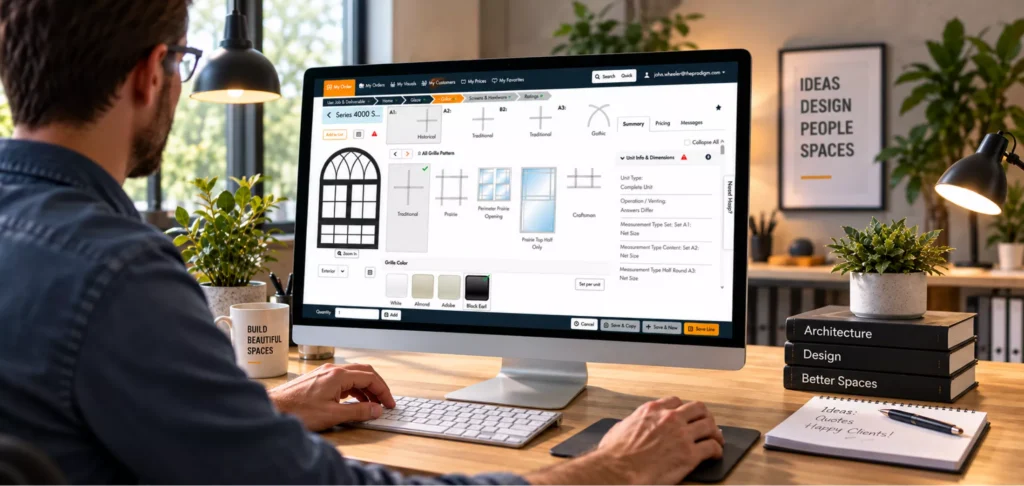
Why “Omni”? Inside Paradigm’s Platform for Window and Door Manufacturers
Paradigm Omni does more than quoting. See how one connected platform supports
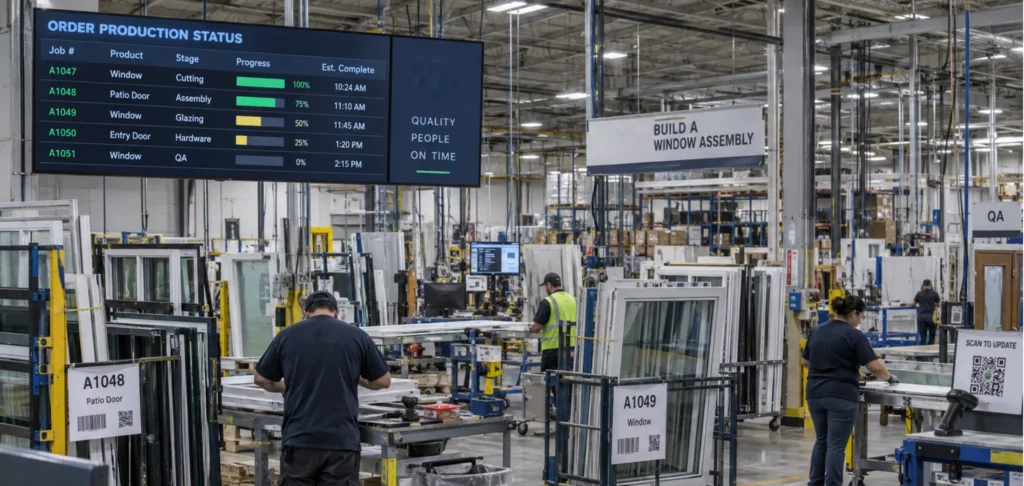
How to Know When Your Plant Needs MES Automation
Missed schedules, manual data entry, rework you can't trace? Learn the signs
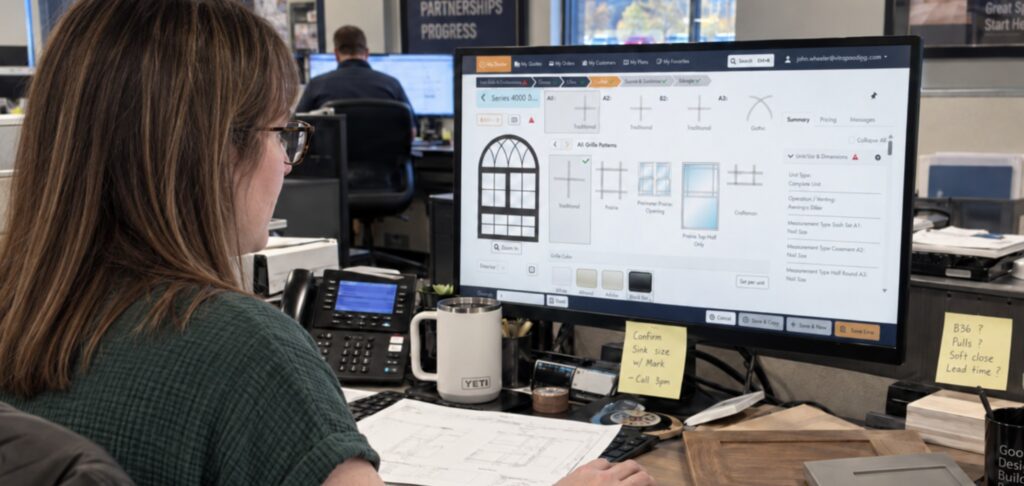
Friction vs. Features: Why Removing Steps Beats Adding Features in CPQ Software
Feature lists don't win quotes, but speed does. Cutting steps from your