Digital Transformation in Construction: How to Stay Ahead
Published: 05/26/2026
By: Paradigm

The construction and building industry has never been accused of adopting new technology too quickly. For years, the trades got by with spreadsheets, phone calls, whiteboards, and a healthy amount of “check with Dave, he knows.” That approach can still hold merit, but it is more difficult to compete when labor is tight, projects are more complex, and customers expect speed and efficiency.
In the vein of “Work smarter, not harder”, compensating for disconnected systems is in the rear view. Digital transformation in construction can only happen when businesses get out of their own way and choose to adopt the tools at their disposal. Cloud software, mobile access, automation, and AI are changing how contractors estimate, sell, manage projects, and communicate. Adopting better technology is less about staying current and more about staying competitive.
What’s Causing This Shift?
1. Labor Shortages and Workforce Challenges
The labor challenge is not new, but it is becoming more difficult to ignore. Experienced workers are retiring, skilled replacements are harder to find, and many teams are being asked to do more with fewer people. That pressure shows up everywhere, from estimating and sales to scheduling and production.
Digital tools help close some of that gap. They do not replace skilled people, but they do reduce repetitive work, improve consistency, and help smaller teams handle more volume. When the right systems are in place, staff can spend less time chasing information and more time making decisions that move projects forward.
2. Rising Customer Expectations
Customers expect a faster, clearer, more connected experience than they did even a decade ago. They want consistent communication, transparent pricing, and a process that feels organized from the first conversation through final delivery.
That expectation is affecting construction and home improvement alike. Homeowners are comparing their buying experience to the broader digital experiences they have everywhere else. Same-day or next-day delivery, chat-function customer service and other user experiences have shifted how consumers behave. Businesses that still rely on slow callbacks, unclear estimates, and scattered follow-up are at a disadvantage.

3. Increasing Project Complexity
Projects are becoming more detailed, more regulated, and more data-heavy. Materials, timelines, code requirements, energy performance, customer preferences, and coordination across teams all add complexity. The more moving parts a project has, the harder it becomes to manage it with disconnected systems.
That is why real-time collaboration and better data sharing matter so much now. When information moves slowly or lives in too many places, mistakes become more likely and decisions take longer than they should.
4. Competitive Pressure & Digital Maturity
The businesses that are embracing digital tools are creating real separation in the market. They quote faster, communicate more clearly, manage jobs more consistently, and often look more professional to customers in the process.
That does not mean companies need to chase every new tool. It does mean that digital maturity is becoming part of how construction businesses win work and operate efficiently. Companies that stay manual in an otherwise connected market aren’t doing themselves any favors.
Critical Technology for Construction Businesses
Construction Management Software
Construction management platforms help centralize project data, communication, schedules, and task tracking. Instead of information living across inboxes, spreadsheets, and in Dave’s brain, teams are succeeding more when working from one source of truth.
Building Information Modeling (BIM)
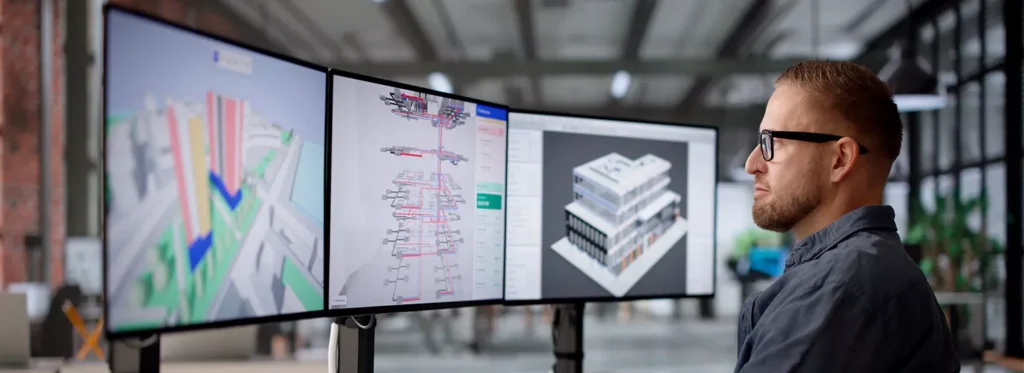
BIM improves planning and coordination by helping teams visualize projects before work begins. It is especially useful for reducing issues, improving accuracy, and supporting more informed decisions earlier in the process.
Mobile and Cloud-Based Tools
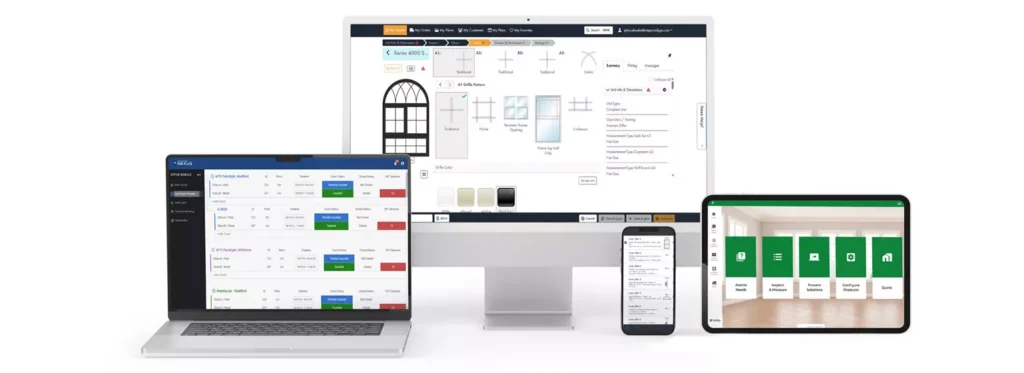
Mobile and cloud tools improve the connection between the field and the office. Photos, notes, approvals, and updates move faster, which reduces lag and helps teams respond more quickly when conditions change.
Artificial Intelligence and Predictive Analytics
AI is becoming more useful in forecasting costs, predicting risks, and supporting better planning decisions. It can never replace native construction expertise, but it does give teams good information so they can apply their expertise more effectively.
Drones and Automation
Drones and automation tools are helping with inspections, site documentation, surveys, and progress tracking. Their value comes from better visibility and more efficient information gathering.

Why Does the Construction Industry Struggle with New Tech?
One of the biggest reasons is resistance to change. Construction businesses are built on reputation and are often run on proven habits. When the current process feels familiar, a new system can feel like disruption rather than improvement.
Upfront cost is another barrier. Owners understand that change is necessary for growth, but hesitate when the return is not immediately visible. Training in these new tools can also play a major role. Even strong tools will fall flat if teams are not supported through adoption.
Fragmented systems create another challenge. Many businesses add software one piece at a time, which can leave them with multiple tools that do not work well together. When that happens, technology creates more work instead of less.
Why Digital Transformation is an Exciting Opportunity
We all know Dave won’t be around forever. Taking the legwork out of these manual processes leaves more space for Dave to share his signature moves that always close the deal. Digital transformation can strengthen the business and free up time in ways that are hard to achieve with outdated systems. It can improve cost control, sharpen forecasting, reduce rework, and create better communication across teams.
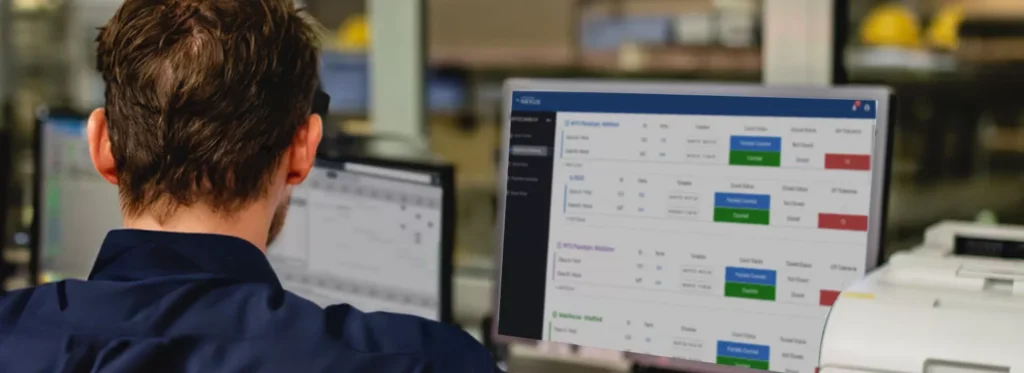
It also improves the customer-facing side of the business. Faster estimates, cleaner proposals, and more connected communication help construction companies create a more professional experience from the beginning. That can have a direct impact on close rates and customer trust.
In short, digital transformation gives businesses a chance to operate with more control and grow with less friction.
How Construction Business Owners Can Stay Ahead of Digital Shifts
1. Start with Business Goals, Not Tools
The best place to begin is not with a product demo. It is with a business problem. Identify the biggest bottleneck: Is it in sales, estimating, communication, or job costing? Wherever you see pain points, start there. Technology works best when it is tied to a specific outcome.
2. Invest in Scalable, Integrated Systems
Disconnected tools usually create extra work over time. It is better to invest in systems that connect across sales, operations, and finance, so information can move more cleanly through the business.
3. Prioritize User Adoption and Training
Even the right technology will fail if the team doesn’t see the value. That is why onboarding, training, and ongoing support matter so much. Adoption and education are a critical part of the implementation.
4. Embrace Data-Driven Decision Making
Good systems create better visibility, but that only matters if the business uses the data. Metrics can help owners stay informed. Exploring the data from conversion rates, job costs, timelines, close rates help drive better business decisions.

5. Stay Informed on Emerging Trends
Not every trend deserves immediate action, but business owners still need to be aware. Industry publications, trade shows, and associations can help leaders stay informed without getting distracted by flashy headlines.
6. Start Small, Then Scale
In many cases, digital transformation works best when companies improve one workflow at a time. Once the value is proven, identify and move on to the next solution. A tiered approach reduces risk and makes internal adoption easier.
7. Partner with Technology Experts
The strongest technology and software partners understand how construction businesses estimate, sell, coordinate, and deliver work. That makes a major difference in both selection and implementation of digital tools.
What’s Next?
The next phase of digital transformation in construction will be more connected and embedded into everyday work. AI, automation, and integrated platforms will continue to shape how projects are sold and managed.
Success in the age of digital transformation will be the companies building adaptability into the way they operate. Waiting too long to join the movement means carrying more friction than necessary while competitors improve around you.
The first step can be small. Start by identifying one area of your business where better systems could improve speed, visibility, or consistency. For many, that starts in sales and estimating. Paradigm offers solutions to help contractors bring digital selling, estimating, and customer communication into one connected workflow, making it easier to move faster and operate with more confidence.
Latest Blog Posts
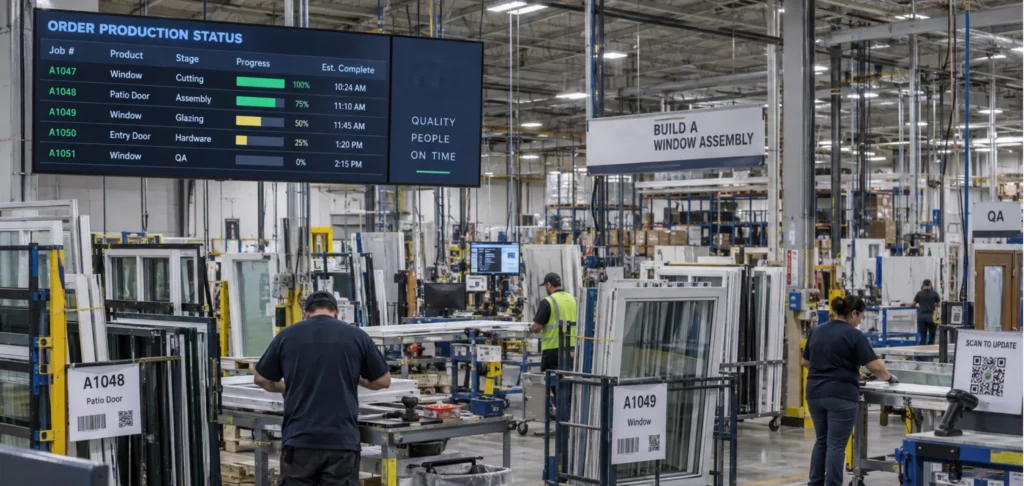
How to Know When Your Plant Needs MES Automation
Missed schedules, manual data entry, rework you can't trace? Learn the signs
Friction vs. Features: Why Removing Steps Beats Adding Features in CPQ Software
Feature lists don't win quotes, but speed does. Cutting steps from your

CPQ vs. Platform: Why Paradigm Omni Is a Revenue Platform, Not Just a CPQ Tool
Comparing CPQ software? Learn the difference between a quoting tool and a